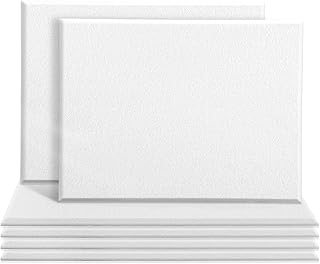
master the basics of acoustic foam for better sound control
In the world of sound management, acoustic foam has emerged as a popular solution for controlling echoes and reverberations. Whether you are a musician, a podcaster, or simply someone looking to improve the sound quality in your home, mastering the basics of acoustic foam is essential. In this guide, we will explore key aspects that will help you effectively utilise this material for better sound control.
Understanding Acoustic Foam
Acoustic foam is a porous material specifically designed to absorb sound waves. Unlike traditional insulation, which primarily blocks sound, acoustic foam reduces reflections and reverberations within a room. The unique structure of the foam, often featuring wedge or pyramid shapes, helps trap sound energy, effectively minimising unwanted noise.
Choosing the Right Type of Foam
When selecting acoustic foam, it is crucial to choose the right type for your specific needs. There are various densities and thicknesses available, each serving different purposes. High-density foam is ideal for professional studios as it provides superior sound absorption, while lower density options may suffice for home use. Consider the thickness as well; thicker panels are generally more effective at absorbing lower frequencies, while thinner panels excel with higher frequencies.
People Also Look For:
- Sound Proofing Panels, Soundsbay Acoustic Wall Panels Self-Adhesive High Density Soundproofing Panels, 12 Pack Acoustic Panels for...
- JBER Professional Hexagon Acoustic Foam Panels, Sound Proof Padding Soundproofing Absorption Panel, 14\" X 13\" X 0.4\" High Densi...
- Slat Wood Wall Panels 47.2\" x 23.6\" Acoustic Wall Panels 2 PCS Wood Panels for Walls Wood Slats Wall Panelling for Living Room (...
- VEVOR Wood Slat Acoustic Panels, 23.6 x 47.2 inch, MDF Accent Wooden Wall Panels for Modern Interior Wall Decor, Faux Wood Wall Bo...
- HyFanStr Sound Proofing Panels for Studio, Acoustic Panels Sound Treatment, Self Adhesive Sound Absorbing Panels Foam Tiles for KT...
Placement Strategies
The placement of acoustic foam is just as important as the type you choose. To achieve optimal sound control, strategically position panels on walls, ceilings, and corners of the room. A common technique is the 'first reflection point' method, which involves placing foam where sound first bounces off surfaces. This can significantly reduce echoes, creating a clearer sound environment.
Creating a Balanced Sound Profile
To master sound control, it is vital to create a balanced sound profile in your space. Avoid overloading one area with foam while neglecting others. A good practice is to cover around 20-30 percent of the wall space with acoustic foam. This balance allows for effective sound absorption without completely dampening the room's acoustics, ensuring a lively yet controlled sound.
Using Additional Soundproofing Techniques
While acoustic foam is excellent for sound absorption, it is often beneficial to combine it with other soundproofing techniques for enhanced results. Consider using heavy curtains, carpets, or soundproofing doors to further minimise sound transmission. Additionally, sealing gaps around windows and doors can reduce outside noise interference, creating a more tranquil environment.
Maintenance and Care
To ensure your acoustic foam remains effective, proper maintenance is key. Regularly dust the foam with a soft cloth to remove dirt and debris that can accumulate over time. If stained, gently spot clean with mild soap and water, ensuring the foam dries completely before reapplying it to the wall. Avoid placing foam in damp areas, as moisture can degrade its effectiveness.
Cost Considerations
The cost of acoustic foam can vary significantly based on quality and brand. As a beginner, it is advisable to start with affordable options while you assess your specific sound control needs. Many manufacturers offer starter kits that include various panel sizes and shapes, allowing you to experiment with placement and absorption capabilities without a large upfront investment.
DIY Acoustic Foam Solutions
If you are on a budget, consider creating your own acoustic panels using materials such as mineral wool or high-density foam. Wrap these materials in breathable fabric to create aesthetically pleasing panels that can be hung on walls. DIY solutions can be both cost-effective and visually appealing, adding a personal touch to your sound control efforts.