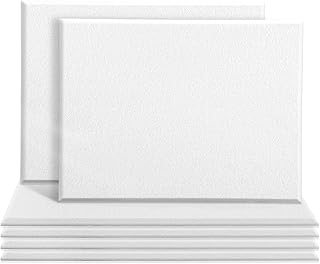
Essential Tips for Choosing the Right Acoustic Foam Panels
Acoustic foam panels are becoming increasingly popular for improving sound quality in various environments, including home studios, offices, and even theatres. With the growing interest in soundproofing and acoustic treatment, knowing how to select the right acoustic foam panels can make all the difference in creating an optimal sound environment. This guide provides essential tips to help you make an informed decision.
Understand the Purpose of Acoustic Foam
Before diving into the details, it is vital to understand the primary purpose of acoustic foam. These panels are designed to absorb sound waves, reducing echo and reverberation in a room. Depending on your specific needs, you might require foam that excels in sound absorption or one that also provides some soundproofing. Knowing your requirements will guide your choices.
Consider the NRC Rating
The Noise Reduction Coefficient (NRC) rating is a critical factor when selecting acoustic foam panels. This rating indicates how effective the foam is at absorbing sound across different frequencies. A higher NRC rating indicates better sound absorption capabilities. For example, panels with an NRC rating of 0.80 or above are considered excellent for reducing echo in most environments. When shopping, check the NRC ratings to ensure you choose panels that meet your acoustic needs.
People Also Look For:
- Ohuhu Acoustic Foam Panels 48 Pack with Double Sided Tape, 2\"x12\"x12\" Acoustic Foam Sound Absorption Pyramid Studio Treatment W...
- JBER 12 Pack Hexagon Acoustic Panels Beveled Edge Sound Proof Foam Panels Self-adhesive,30x26x1cm High-Density Sound Absorbing Pan...
- 12 Pack Set Acoustic Foam Panels, Studio Wedge Tiles, 2\" X 12\" X 12\" Acoustic Foam Sound Absorption Pyramid Studio Treatment Wa...
- Saiqiang Acoustic Foam Panels Self Adhesive 12 Pack, 1\"x12\"x12\", Sound Absorbing Panels Wedges Soundproof Sound Insulation Abso...
- JBER Professional Hexagon Acoustic Foam Panels, Sound Proof Padding Soundproofing Absorption Panel, 14\" X 13\" X 0.4\" High Densi...
Choose the Right Thickness
The thickness of acoustic foam panels also significantly impacts their performance. Generally, thicker panels provide better sound absorption, especially for lower frequencies. Standard options range from 1 inch to 4 inches thick. A good rule of thumb is to opt for thicker panels if you want to manage a wider frequency range, particularly in music studios or home theatres. However, thinner panels can still be effective for reducing higher frequency sounds in less demanding settings.
Select the Suitable Material
Acoustic foam is typically made from polyurethane foam, melamine foam, or other specialised materials. Polyurethane foam is the most common and is often more affordable, while melamine foam can offer superior sound absorption, though at a higher price point. Consider your budget and the specific sound control requirements of your space when making your choice. Additionally, ensure that the material is fire-retardant and safe for indoor use.
Pick the Right Shape and Design
Acoustic foam panels come in various shapes, including wedges, pyramids, and egg crates. The shape can affect the way sound waves are absorbed. For instance, wedge and pyramid shapes typically provide more surface area, improving absorption efficiency. Additionally, consider colour and design to ensure the panels blend with your decor. Many manufacturers offer custom colours and patterns, allowing you to create a visually appealing environment while achieving acoustic goals.
Evaluate Installation Options
Installing acoustic foam panels can be straightforward, but it is essential to consider your installation options. Most panels can be easily mounted using adhesive, clips, or even double-sided tape. Some may require specific adhesives to ensure they stay in place long-term. Assess your space and determine how many panels you need and where they will be installed to create the most effective acoustic treatment.
Compare Prices and Brands
Finally, when choosing acoustic foam panels, it is wise to compare prices and brands. Not all products are created equal, and prices can vary significantly. Look for reputable brands known for their quality and customer service. Reading reviews and testimonials can help you gauge the effectiveness of the panels. While it might be tempting to opt for the cheapest option, remember that investing in quality panels can lead to better sound performance and durability.