expert insights on optimising room acoustics with foam
As we venture further into 2026, the importance of optimising room acoustics has never been more apparent. Whether in a home studio, a conference room, or a living space, poor acoustics can significantly detract from the experience. Acoustic foam is a key tool in addressing these challenges. This article provides expert insights into how to effectively use acoustic foam to enhance your room’s sound quality.
Understanding Acoustic Foam
Acoustic foam is designed to absorb sound waves, reducing echoes and reverberation in a space. It comes in various shapes, sizes, and densities, making it a versatile choice for different applications. The most common types of acoustic foam include wedge, pyramid, and bass traps. Each type serves a unique purpose, so understanding their characteristics is essential for effective optimisation.
Choosing the Right Foam
When selecting acoustic foam, consider the specific needs of your space. For example, wedge foam is ideal for controlling mid and high frequencies, making it suitable for vocal recording studios. Pyramid foam offers similar benefits but provides a slightly different aesthetic. Bass traps, on the other hand, are crucial for tackling low-frequency issues. Typically placed in corners, they combat bass build-up and enhance overall sound clarity.
People Also Look For:
- TONOR 4PCS Acoustic Panels, 47.2\'\' x 23.6\'\' x 0.35\'\', Full Self-Adhesive Soundproof Wall Panels, Sound Absorbing Panels for ...
- HyFanStr Sound Proofing Panels for Studio, Acoustic Panels Sound Treatment, Self Adhesive Sound Absorbing Panels Foam Tiles for KT...
- Fstop Labs Acoustic Foam 12 Pack Set, 1" X 12" X 12" Sound Proofing Panels, Acoustic Foam Panels for Recording Studio Office Home
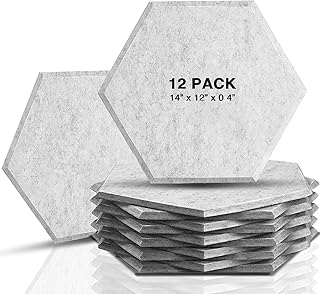
- JBER Professional Hexagon Acoustic Foam Panels, Sound Proof Padding Soundproofing Absorption Panel, 14\" X 13\" X 0.4\" High Densi...
- VEVOR Wood Slat Acoustic Panels, 23.6 x 47.2 inch, MDF Accent Wooden Wall Panels for Modern Interior Wall Decor, Faux Wood Wall Bo...
Strategic Placement
Effective placement of acoustic foam is vital for achieving optimal results. Start by identifying the primary sound reflections in your room. A simple way to do this is to clap your hands in different areas and listen for echoes. Once you have identified the reflection points, strategically position your acoustic foam at these locations. Common areas include the first reflection points on the walls and ceiling, as well as around any windows or doors.
Coverage and Density
While it may be tempting to cover every surface with acoustic foam, this is not always necessary. Aim for a balanced approach that maintains the room’s aesthetic while still providing effective sound absorption. For most spaces, covering around 20 to 30 percent of the wall surface with foam is adequate. Additionally, consider the density of the foam; denser materials typically absorb lower frequencies better, making them suitable for bass-heavy rooms.
Enhancing Aesthetics
Acoustic foam no longer needs to compromise the visual appeal of your space. Many manufacturers offer foam in various colours and designs, allowing you to blend functionality with style. Consider creating a feature wall with geometric patterns or using colourful foam to add an artistic touch to your studio. This way, you can optimise acoustics without sacrificing the room's design.
Maintenance and Longevity
Another consideration is the maintenance of your acoustic foam. Dust and dirt can accumulate over time, which may affect its performance. Regularly vacuum the foam with a soft brush attachment to keep it clean. Additionally, avoid placing foam in areas with high humidity or direct sunlight, as these conditions can degrade the material over time. Look for foam specifically treated to resist moisture and UV damage for enhanced durability.
Testing and Adjustments
After installing your acoustic foam, it is crucial to test the room's acoustics again. Use a sound level meter or audio analysis software to identify any remaining issues. You may need to adjust foam placement or add more foam to achieve the desired sound quality. This iterative approach ensures that you fine-tune the room to meet your specific acoustic needs.